When to Plan Fall Landscape Design Projects in the Hamptons | Dream Yard Landscaping
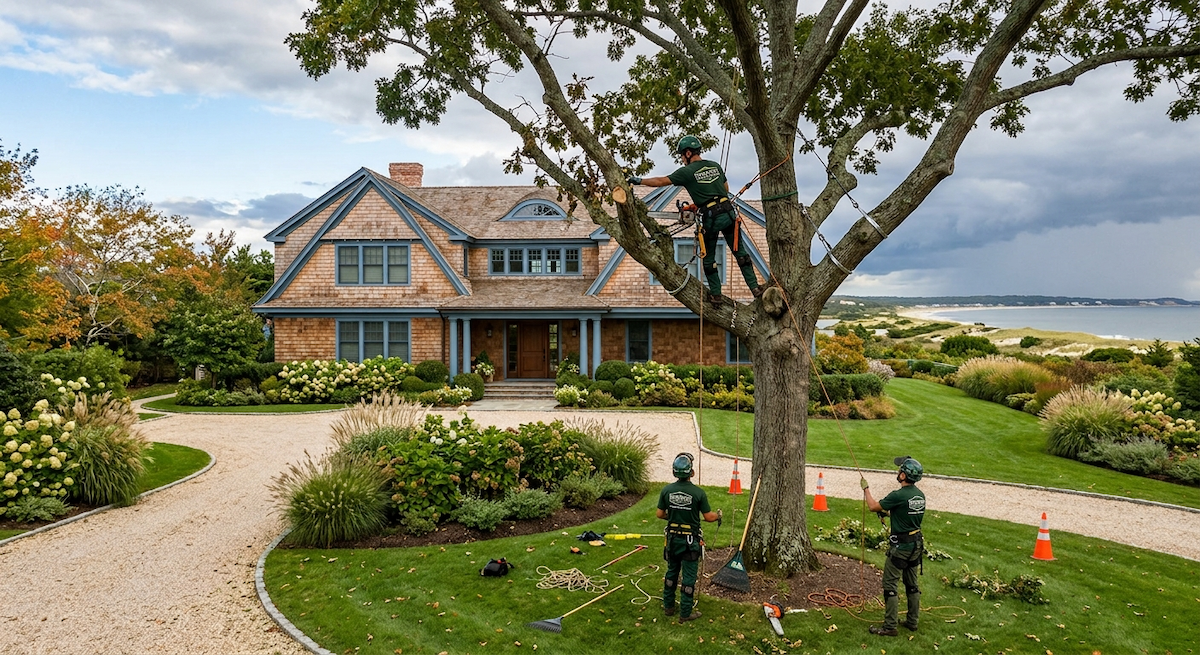
If you've been thinking about redesigning your outdoor space, late summer is the moment to start, not October. Hamptons landscape design projects book up fast once the weather cools, and the properties that get on a contractor's calendar in August and September are the ones that see their vision installed before the ground freezes.
Here's what Hamptons homeowners need to know about timing a fall landscape project right.
Why Fall Is Actually the Best Season to Plant
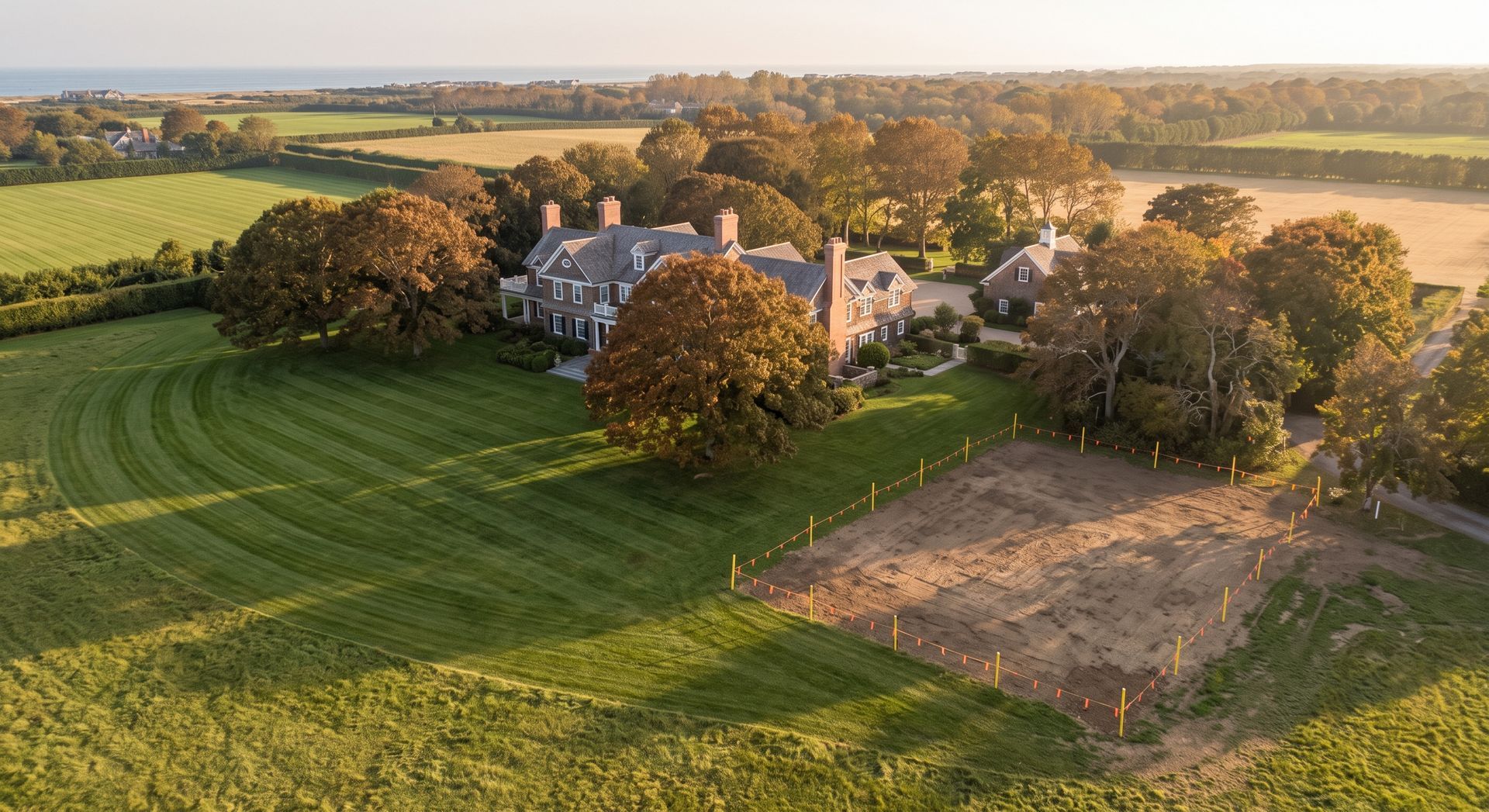
Many homeowners assume spring is the only time to plant, but fall offers cooler air temperatures combined with soil that's still warm from summer. That combination lets trees, shrubs, and perennials put energy into root development instead of fighting summer heat stress. Plants installed in September and October generally establish stronger root systems heading into next spring than anything put in the ground in May or June.
For a property in Southampton, Bridgehampton, or East Hampton, that means a fall-installed landscape often looks more established by the following summer than a spring-installed one would.
The Ideal Planning Window
For most full landscape design projects in this region, the practical planning window looks like this:
Now through early September: Initial consultation, design concept, and material selection. This is when Dream Yard walks the property, discusses your vision, and puts together a plan.
Mid-September through October: Ideal installation window for trees, shrubs, perennial beds, and new lawn areas. Soil conditions and temperatures are close to optimal.
November: Still workable for hardier plantings and structural elements, but the window starts to narrow as the ground cools further.
Waiting until October to start the conversation means you're often choosing from whatever's still available on the calendar, not necessarily the timeline that gets your project done right.
What a Hamptons Fall Design Project Might Include
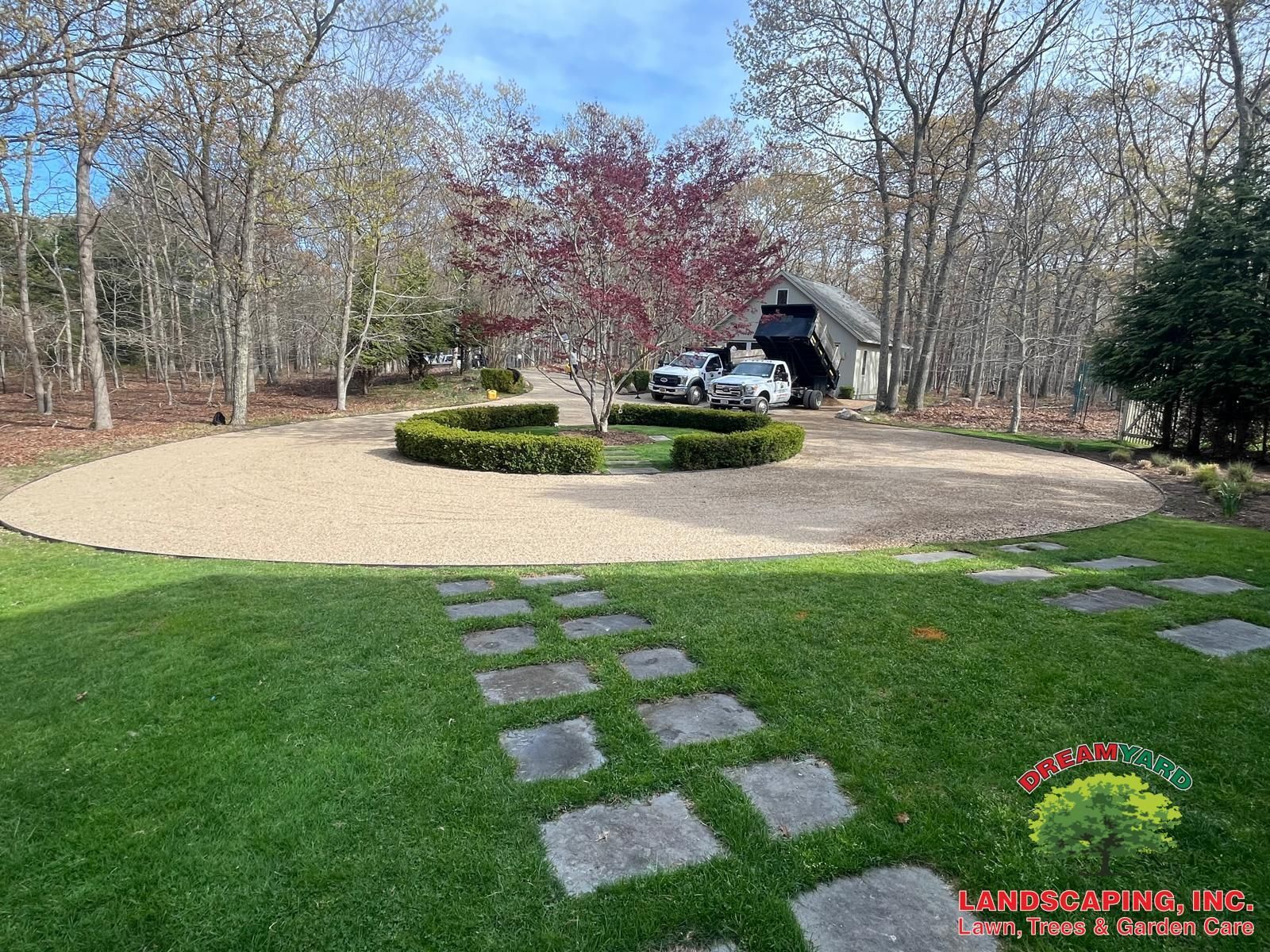
Every property is different, but fall is a particularly good time to tackle:
- New planting beds and foundation landscaping
- Tree and shrub installation
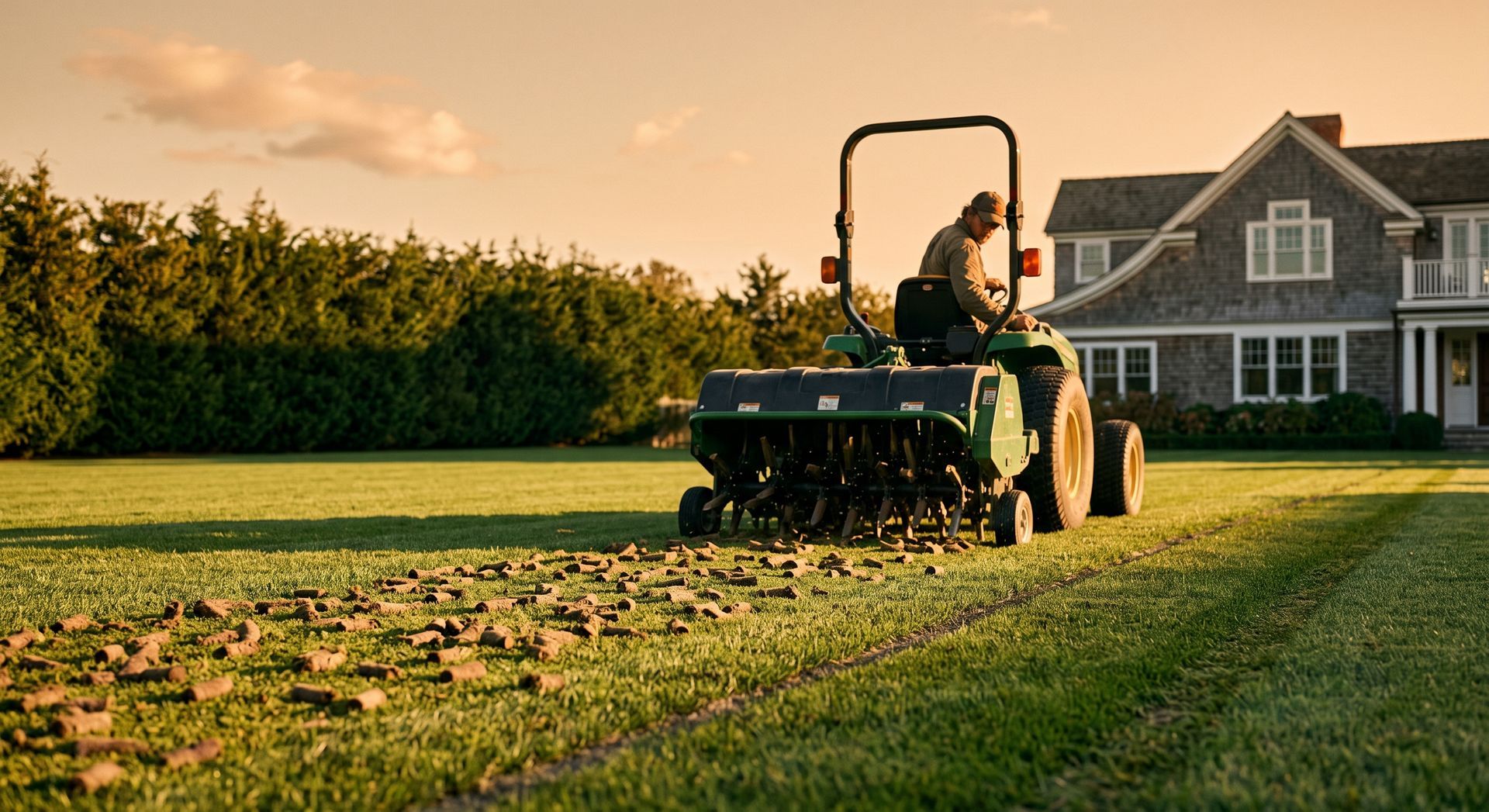
- Lawn renovation or overseeding, since cooler weather is ideal for turf establishment
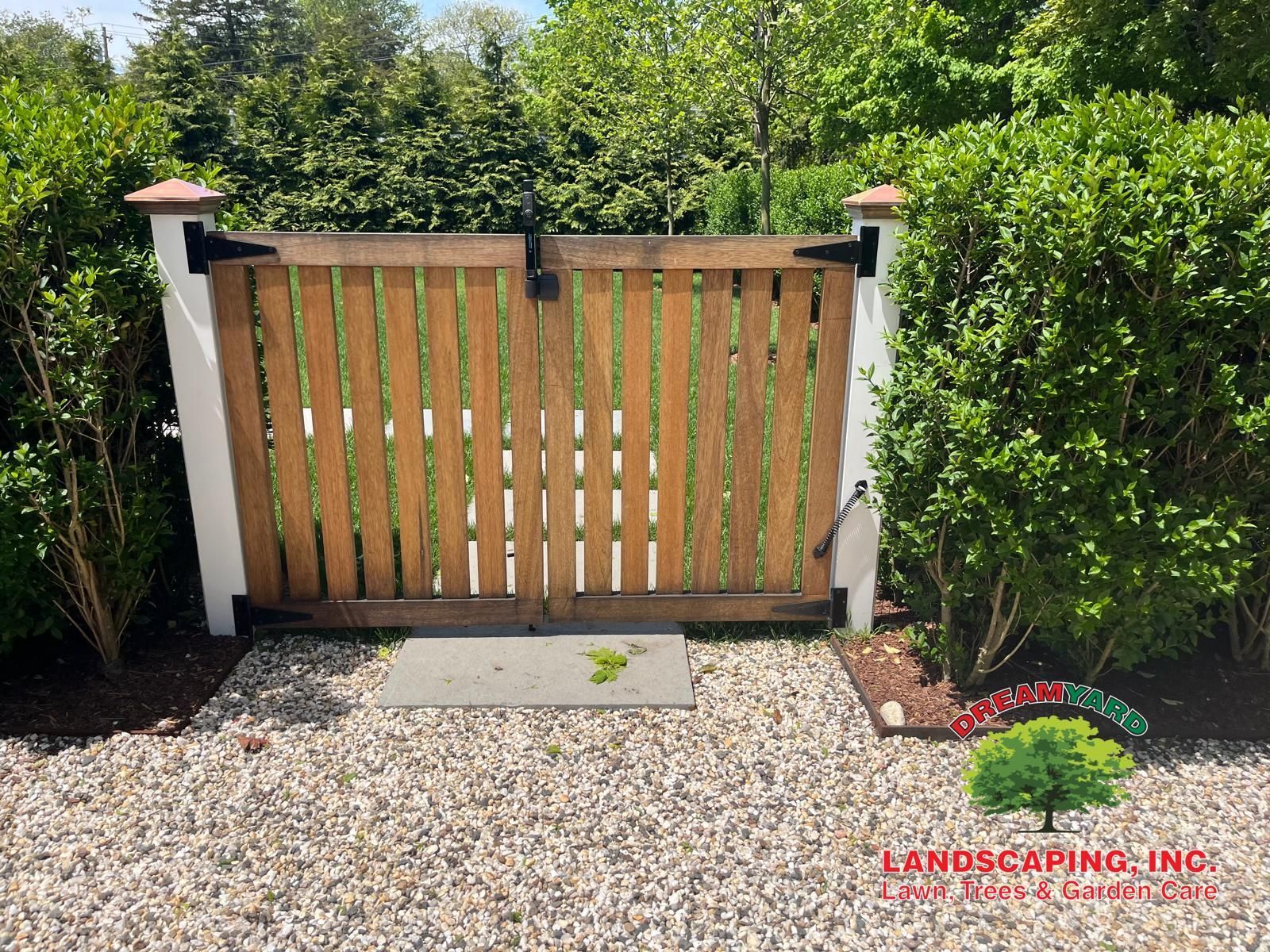
- Structural elements like walkways or retaining walls that pair with new plantings
- Irrigation adjustments to support new landscaping through its first winter
If your property also needs hardscaping work like a patio or masonry element as part of the redesign, coordinating that alongside the planting plan in one project avoids disturbing new beds later.
Don't Wait Until the Ground Is Cold
The biggest mistake we see is homeowners waiting until the leaves have already turned before reaching out. By then, the best planting weeks are gone and everyone else on the East End is trying to book the same handful of weekends before winter. Starting the design conversation now means your project can be installed while conditions still favor strong root growth.
FAQ
When is the best time to start a landscape design project in the Hamptons? Late summer, ideally August through early September, is the best time to start planning so installation can happen during the optimal fall planting window of mid-September through October.
Is fall really better than spring for planting? For most trees, shrubs, and perennials, yes. Warm soil combined with cooler air lets plants focus on root development rather than surviving summer heat, which often leads to stronger establishment by the following season.
How long does a full landscape design project take from consultation to installation? It varies by scope, but for fall installations, starting the consultation process in August or early September gives enough lead time for design, material sourcing, and scheduling before the ideal planting weeks arrive.
Can lawn renovation be done in the fall too? Yes. Cooler fall temperatures are considered ideal for overseeding and lawn establishment in this region, often producing better results than a spring renovation.
Sources & Further Reading
- University of Delaware College of Agriculture & Natural Resources: "Fall Is for Planting"
- Cornell Cooperative Extension of Suffolk County: Gardening Resources
- Cornell Cooperative Extension of Suffolk County: Ornamentals Factsheets (Trees, Shrubs, Herbaceous)
- University of Missouri Extension: Fall Tree Planting
- USDA Plant Hardiness Zone Map
Ready to plan your fall landscape project before the best installation weeks are booked? Call or message Hector directly at (631) 960-8242 to schedule your consultation.
Dream Yard Landscaping proudly serves Southampton, East Hampton, Sag Harbor, Bridgehampton, Sagaponack, Amagansett, Hampton Bays, East Quogue, Remsenburg, and Aquebogue.
More from Dream Yard Landscaping:
Articles