Southampton's New Land Disturbance Permit: What Hamptons Homeowners Need Before Clearing in 2026
Hector Herrera • September 4, 2026
New Paragraph
Articles
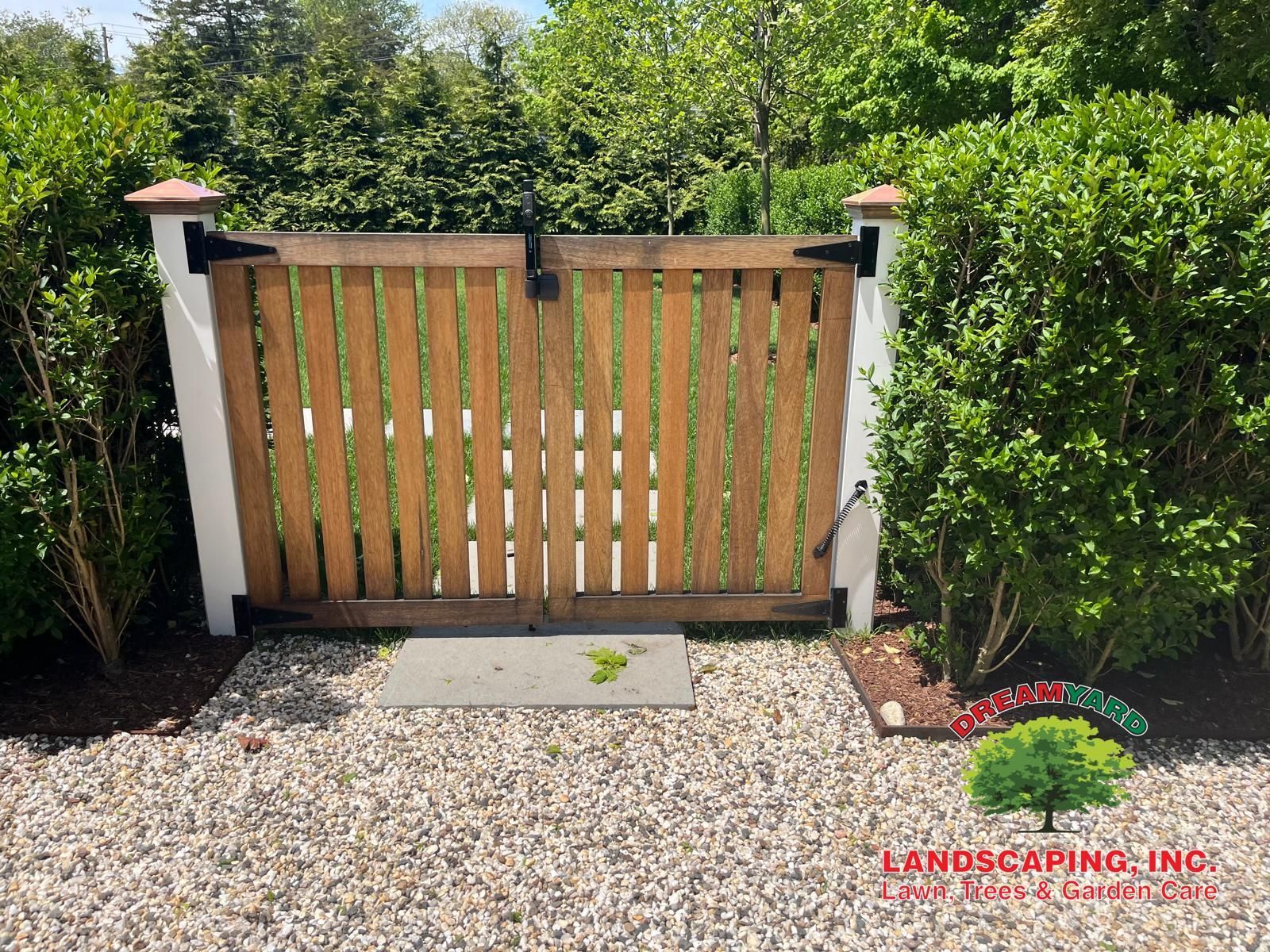
A pool fence is one of those elements homeowners often treat as an afterthought, something required by code, installed as cheaply and quickly as possible, and then more or less ignored. On a Hamptons property, that approach usually looks out of place. The good news is that pool fencing can meet every safety requirement and still complement a luxury outdoor space, if it's planned thoughtfully from the start. Why Pool Fencing Matters Beyond Code Compliance New York State and most East End towns require a barrier around residential pools, generally specifying a minimum fence height, self-closing and self-latching gates, and limits on gaps a young child could climb through or squeeze past. Requirements can vary by municipality, so it's worth confirming the specific rules for your town before finalizing a design. Beyond satisfying an inspector, a well-designed pool fence protects the people who matter most, young children, pets, and guests, from accidental entry to the pool area when it's unsupervised. Styles That Fit a Luxury Hamptons Property Pool fencing doesn't have to look institutional. Options that tend to work well on high-end East End properties include: Glass panel fencing: Nearly invisible sightlines that preserve pool and landscape views, popular for modern and contemporary homes. Powder-coated aluminum: Clean, slim profiles that read as elegant rather than utilitarian, available in finishes that complement the home's exterior. Custom wood fencing: Natural materials that blend into a more traditional Hamptons landscape, especially when paired with plantings. Combination designs: Mixing a low masonry or stone base with metal or glass paneling above, tying the fence visually to existing hardscaping on the property. The right choice depends on the home's architecture, the surrounding landscape design, and how much privacy versus visibility you want around the pool area.
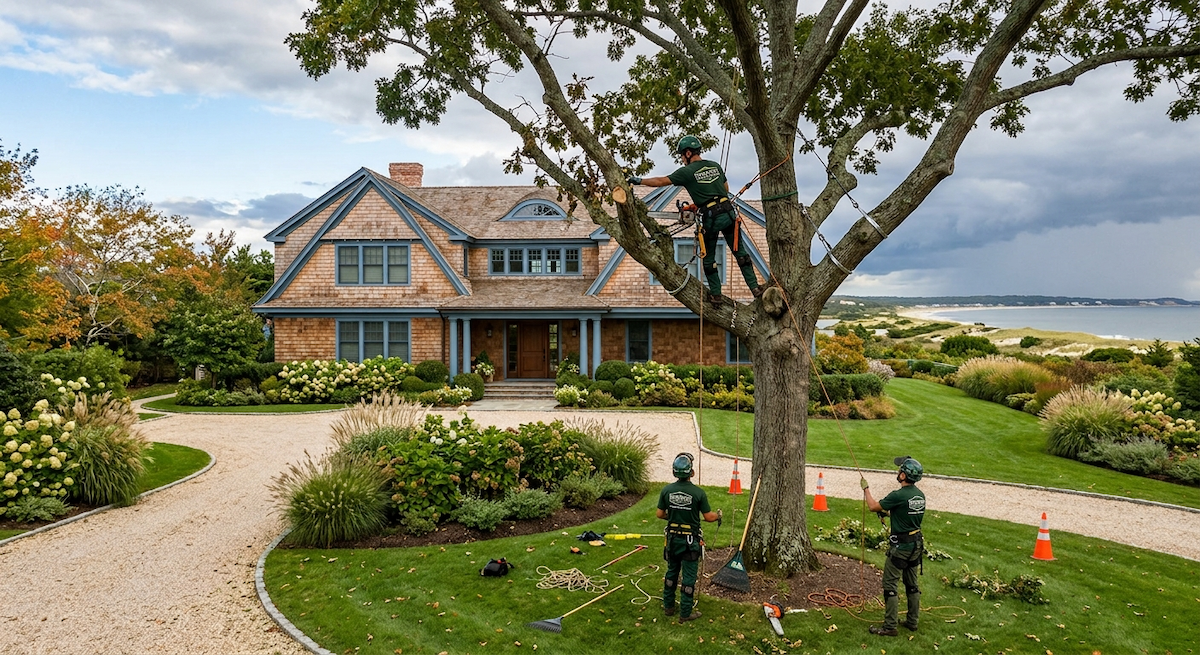
Hurricane season along the East End runs from June through the end of November, with August through October typically bringing the highest risk of a storm making an impact locally. For homeowners with mature trees, that stretch of the calendar is exactly when a weak limb or compromised trunk stops being a cosmetic issue and starts being a real hazard to your home, your car, or the people on your property. Proactive tree care before a storm is far less expensive, and far less stressful, than emergency removal after one. Why Mature Hamptons Properties Are Especially at Risk Many Hamptons properties feature large, established trees, oaks, maples, and pines that have grown for decades close to homes, pools, and outbuildings. That maturity is part of what makes these properties beautiful, but it also means more mass and more surface area exposed to high winds. A tree that looks perfectly healthy can still have internal decay, weak branch unions, or root damage that only becomes obvious once it's too late. What Proactive Storm-Prep Tree Care Looks Like Canopy thinning and crown reduction: Selectively removing branches reduces the "sail effect" that lets wind catch a dense canopy and put excessive strain on the trunk and root system. Deadwood removal: Dead or dying branches are the most likely to snap in high winds, and they're the easiest hazard to eliminate ahead of time. Structural pruning: Correcting weak branch unions, particularly on trees with included bark or narrow crotch angles, reduces the chance of a major limb failure. Assessing lean and root health: A tree that has developed a new lean, or shows signs of root heaving in the surrounding soil, may be at higher risk of a full uproot during sustained winds. Removing hazard trees entirely: Sometimes a tree near a house, driveway, or power line is simply too compromised to save safely, and removal before a storm is the responsible call. Timing Matters The best time to have trees assessed is well before a storm is in the forecast, not the day before one arrives. Once a hurricane watch is issued, tree crews across the region get booked solid, and emergency response after a storm has already caused damage is a different, more urgent, and more expensive situation entirely. Late summer, while trees are fully leafed out and any structural issues are visible, is an ideal time for a professional assessment. After the Storm If a storm does bring down branches or full trees, especially anything resting on a structure, near power lines, or blocking access to your property, treat it as an emergency situation and call for professional removal rather than attempting it yourself. Storm-damaged trees carry unpredictable tension and weight distribution that make them more dangerous to cut than they appear.
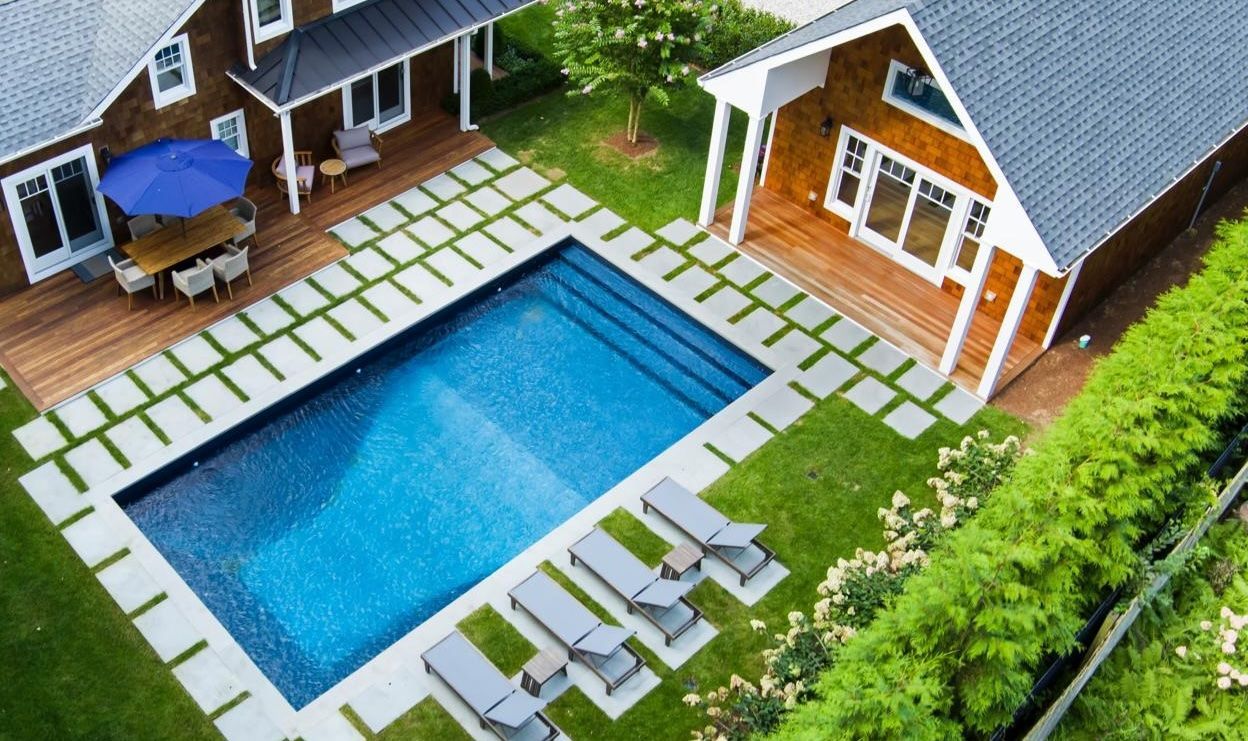
If you've been thinking about redesigning your outdoor space, late summer is the moment to start, not October. Hamptons landscape design projects book up fast once the weather cools, and the properties that get on a contractor's calendar in August and September are the ones that see their vision installed before the ground freezes. Here's what Hamptons homeowners need to know about timing a fall landscape project right. Why Fall Is Actually the Best Season to Plant Many homeowners assume spring is the only time to plant, but fall offers cooler air temperatures combined with soil that's still warm from summer. That combination lets trees, shrubs, and perennials put energy into root development instead of fighting summer heat stress. Plants installed in September and October generally establish stronger root systems heading into next spring than anything put in the ground in May or June. For a property in Southampton, Bridgehampton, or East Hampton, that means a fall-installed landscape often looks more established by the following summer than a spring-installed one would. The Ideal Planning Window For most full landscape design projects in this region, the practical planning window looks like this: Now through early September: Initial consultation, design concept, and material selection. This is when Dream Yard walks the property, discusses your vision, and puts together a plan. Mid-September through October: Ideal installation window for trees, shrubs, perennial beds, and new lawn areas. Soil conditions and temperatures are close to optimal. November: Still workable for hardier plantings and structural elements, but the window starts to narrow as the ground cools further. Waiting until October to start the conversation means you're often choosing from whatever's still available on the calendar, not necessarily the timeline that gets your project done right.